
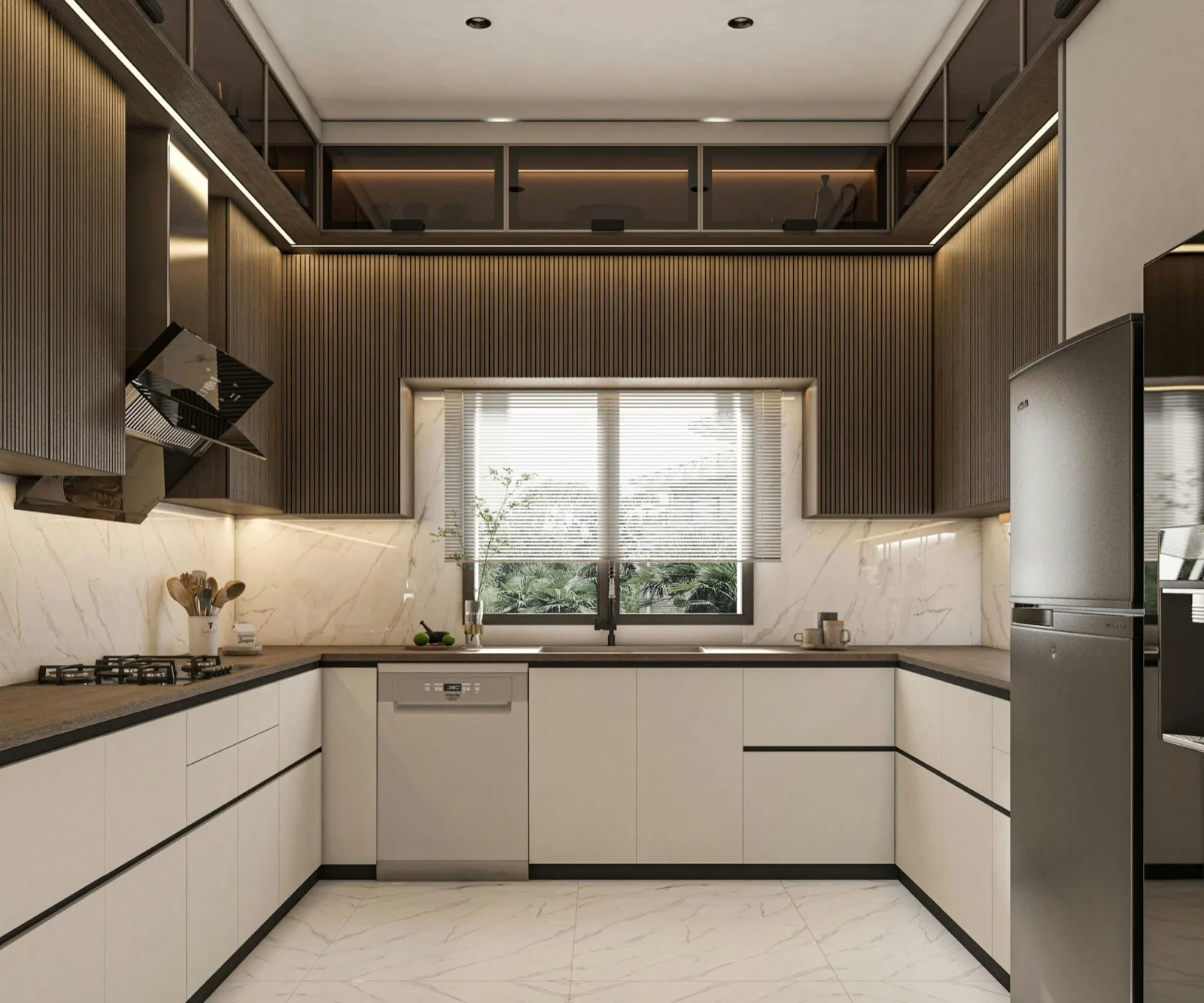
Have you ever thought of remodeling a part of your home? Probably the kitchen? Well, when you’re remodeling a kitchen, new drywall is just the beginning. If you want your paint to look flawless and stay that way, you need one essential step that homeowners often rush or skip: proper priming. That is why some painting jobs end in disaster because they skip this part. However, the right primer does a lot for your drywall. It protects it, helps your paint adhere better, and creates that smooth, long-lasting finish every beautiful kitchen deserves. So, in this blog post, we will discuss how to prime kitchen drywall for long-lasting paint results. We’ll give you a thorough step-by-step procedure.
Kitchens are different from other rooms. They deal with moisture, heat, steam, grease, and constant cleaning. The bottom line is, your kitchen walls take quite a beating. Paint alone isn’t enough to hold up over time, but primer gives your walls the strong base they need by:
- Sealing porous drywall and joint compound
- Blocking stains and preventing discoloration
- Improving paint adhesion for smoother, even coats
- Reducing the number of paint coats you need
- Protecting the drywall from moisture absorption
If you want your paint to last years, not just months–primer is basically non-negotiable.
7 Important Steps to Prime Kitchen Drywall Smoothly
Painting, in all sense, is a crucial part of remodeling your kitchen. Now, whether you’re updating your space or planning a full kitchen overhaul, here’s a complete guide on how to prime kitchen drywall for durable, professional-level paint results.
Step 1: Make Sure Your Drywall Is Fully Dry and Sanded
Before you even open the primer can, your drywall surface should be fully prepped.
✔️ Check for dryness
Joint compound must be completely dry, or primer will trap moisture and lead to bubbling or uneven texture.
✔️ Sand the walls for a smooth finish
A simple pass with 120–150 grit sandpaper helps eliminate rough patches and ensures your primer sits evenly.
✔️ Feather edges around joints
Smoother transitions mean the paint won’t highlight seams.
Pro Tip: Always use a shop vac or microfiber cloth to remove dust–paint sticks to dust as well as it sticks to air.
Step 2: Clean the Walls Properly
Kitchens attract grease, even before you’ve cooked in them.
✔️ Remove dust
Use a dry microfiber cloth or vacuum brush.
✔️ Degrease near cooking zones
If you’re priming drywall around the stove area, wipe gently with a diluted degreaser. Even residue from installation or hands can ruin paint adhesion here.
✔️ Check corners and seams
Dust builds in cracks and edges, which can create tiny paint bumps.
If the drywall isn’t clean, neither primer nor paint will adhere properly.
Step 3: Use the Right Type of Primer
Not all primers are created equal, especially in moisture-heavy, high-activity spaces like kitchens.
Here are the best options for kitchen drywall:
1. Water-Based (Latex) Primer – Most Common
Great for general kitchen walls. Fast drying, low odor, easy to clean.
2. Stain-Blocking Primer
Perfect for areas prone to food splatter, grease, or where walls were previously damaged.
3. Moisture-Resistant Primer
Ideal for drywall around sinks, dishwashers, and windows.
4. High-Build Primer
Helps hide minor imperfections and creates an ultra-smooth surface.
Avoid skipping primer if you’re using high-gloss or semi-gloss paint–these finishes highlight every imperfection, and good primer minimizes that.
Step 4: Apply Primer Using the Right Tools
Primer goes on a little differently than paint, so technique matters.
✔️ Start with corners and edges
Use a high-quality angled brush to cut in around outlets, windows, cabinets, and trim.
✔️ Roll the main wall areas
A ⅜” to ½” nap roller is ideal for smooth drywall. Apply in long, even strokes.
✔️ Maintain a wet edge
This prevents lap marks and keeps the texture consistent.
✔️ Don’t overwork the primer
Let the roller do the work. Going back and forth too many times causes streaking.
Step 5: Let It Dry Completely
This is where many homeowners rush the job.
Primer may feel dry to the touch within an hour, but that doesn’t mean it’s fully cured. Most primers need:
- 2–4 hours before paint
- 24 hours for full hardness
- More time if humidity is high
If you paint too soon, the finish may peel or become uneven. A little patience leads to much longer-lasting results.
Step 6: Lightly Sand After Priming (Optional but Recommended)
Want walls that look professionally finished? This one step makes a huge difference.
After the primer dries:
- Do a light pass with 220-grit sandpaper
- Focus on seams, corners, or roller lines
- Wipe away all dust afterward
This “micro-sanding” smooths out any texture left by the roller and prepares the wall for a flawless topcoat.
Step 7: Apply a Second Coat If Needed
Heavily patched, repaired, or uneven drywall often benefits from a second coat of primer. It:
- Improves overall uniformity
- Helps the paint color look richer
- Reduces blotchiness known as “flashing”
If your drywall absorbs the first coat quickly, apply a second.
Conclusion
It’s safe to say that a properly primed kitchen is a long-lasting kitchen. As we all know, a kitchen remodel is a big investment, and the walls set the tone for the entire space. With the right primer, technique, and prep work, you can ensure your kitchen paint looks fresh, vibrant, and smooth for years. Remember that priming isn’t just a step, it’s the foundation for long-lasting results.
Why Choose Seattle Drywall Contractor for Your Drywall Project Needs
Are you ready to give your kitchen a fresh, long-lasting look? Do you want to transform it into the best part of your home? Don’t leave the results to chance. At Seattle Drywall Contractor , we prep, prime, and finish drywall the right way–so your paint goes on smooth and stays beautiful for years. Our team uses moisture-resistant products, flawless sanding techniques, and professional priming methods designed specifically for high-use spaces like kitchens.
If you want a remodel that looks clean, crisp, and professionally done from day one, reach out to us today. Call us now or request a free estimate and let Seattle’s trusted drywall experts get your kitchen ready for a perfect paint finish.
More from the blog
Advantages of Installing Fire-Rated Commercial Drywall in Business Properties
Safety is a critical aspect of any commercial property. From offices to retail spaces,…
ReadTools and Equipment That Are Best for Drywall Cleanup
Doing a home renovation or construction always requires drywall work. Whether it’s just…
ReadWhy Choosing the Best Tools and Equipment for Fast Drywall Cleanup is Important
One of the best ways to enhance the look of your home or office is through drywall…
ReadReady to get that drywall sorted?
Tell us what you need. We'll give you a straight answer and a clear price, no pressure and no sales pitch.